Why these brakes on an 86/BRZ
From factory, the 86/BRZ comes with small calipers and soft compound pads designed for comfort and low noise in everyday driving. They’re fine around town. But the moment you string together a few hard laps or consecutive heavy stops on a mountain run, the pedal goes long, the pads fade, and confidence disappears. It’s the most common complaint from owners who take their car to the track, and it’s why a brake upgrade is one of the first mods we recommend on this platform.
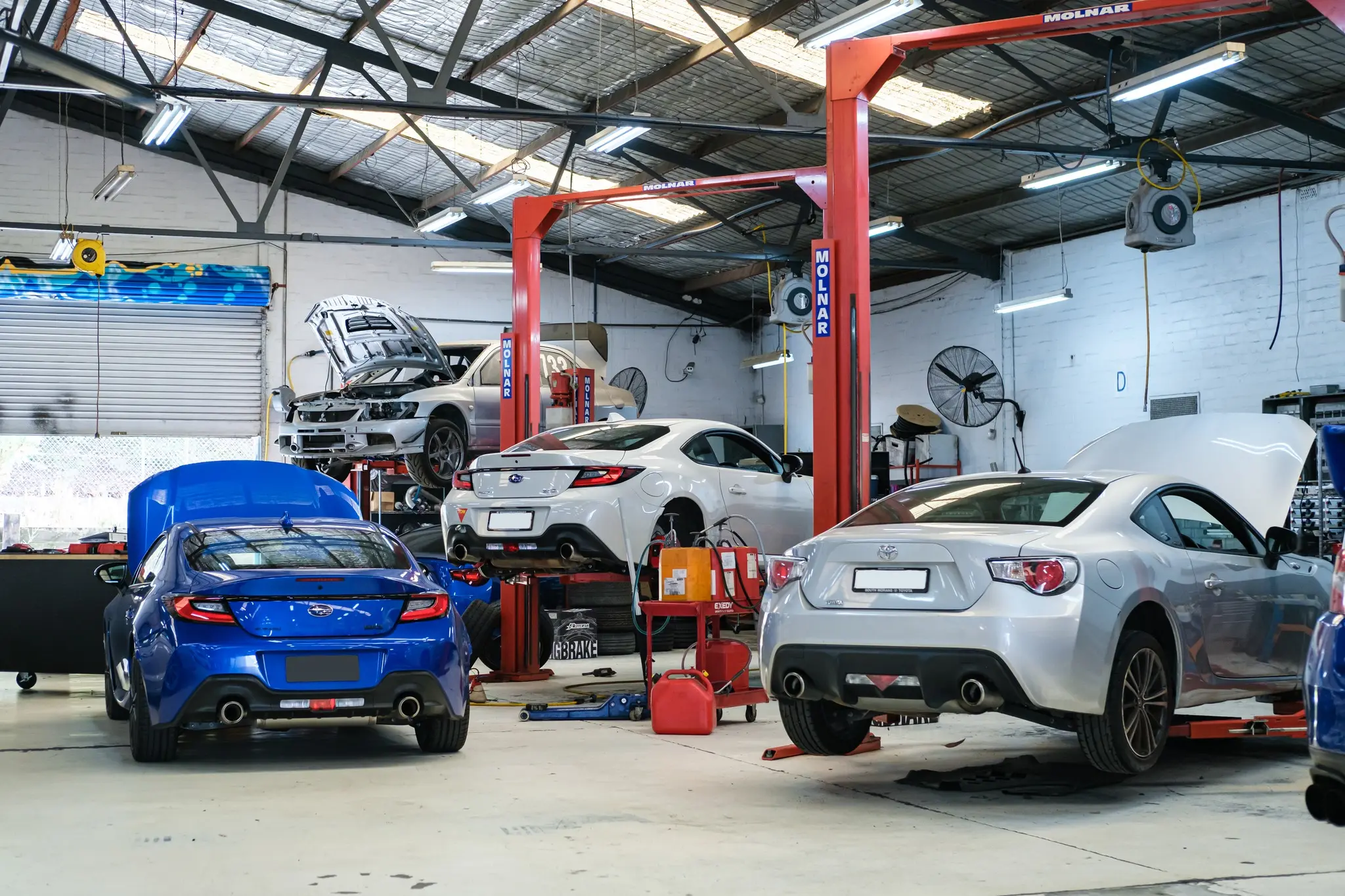
This 86 sees regular track days alongside daily commuting, so the owner needed a setup that would hold up under sustained hard use without being unpleasant on cold mornings or in stop-start traffic.
Choosing the right pad compound
Not all brake pads are created equal. Choosing the wrong compound for your use case can make the car worse. Full race pads need heat to work and can be dangerous on the street because they have almost no bite when cold. Stock-style pads will fade within a few laps of any circuit.
The Endless MX72 is one of the most popular pad choices for dual-purpose 86/BRZ builds for good reason. It’s a semi-metallic compound with strong initial bite from cold, so it works well in daily driving. Where the MX72 really earns its keep is thermal stability. The compound holds consistent friction characteristics well into the temperatures you’ll see during a hard track session, so pedal feel and stopping power stay predictable lap after lap.
We fitted the MX72 on all four corners. Running a matched compound front and rear keeps brake bias consistent, which matters more than most people realise. Mismatched pads can shift the balance under hard braking and make the rear feel nervous or lazy depending on what’s fitted where.
Braided lines and high-temperature fluid
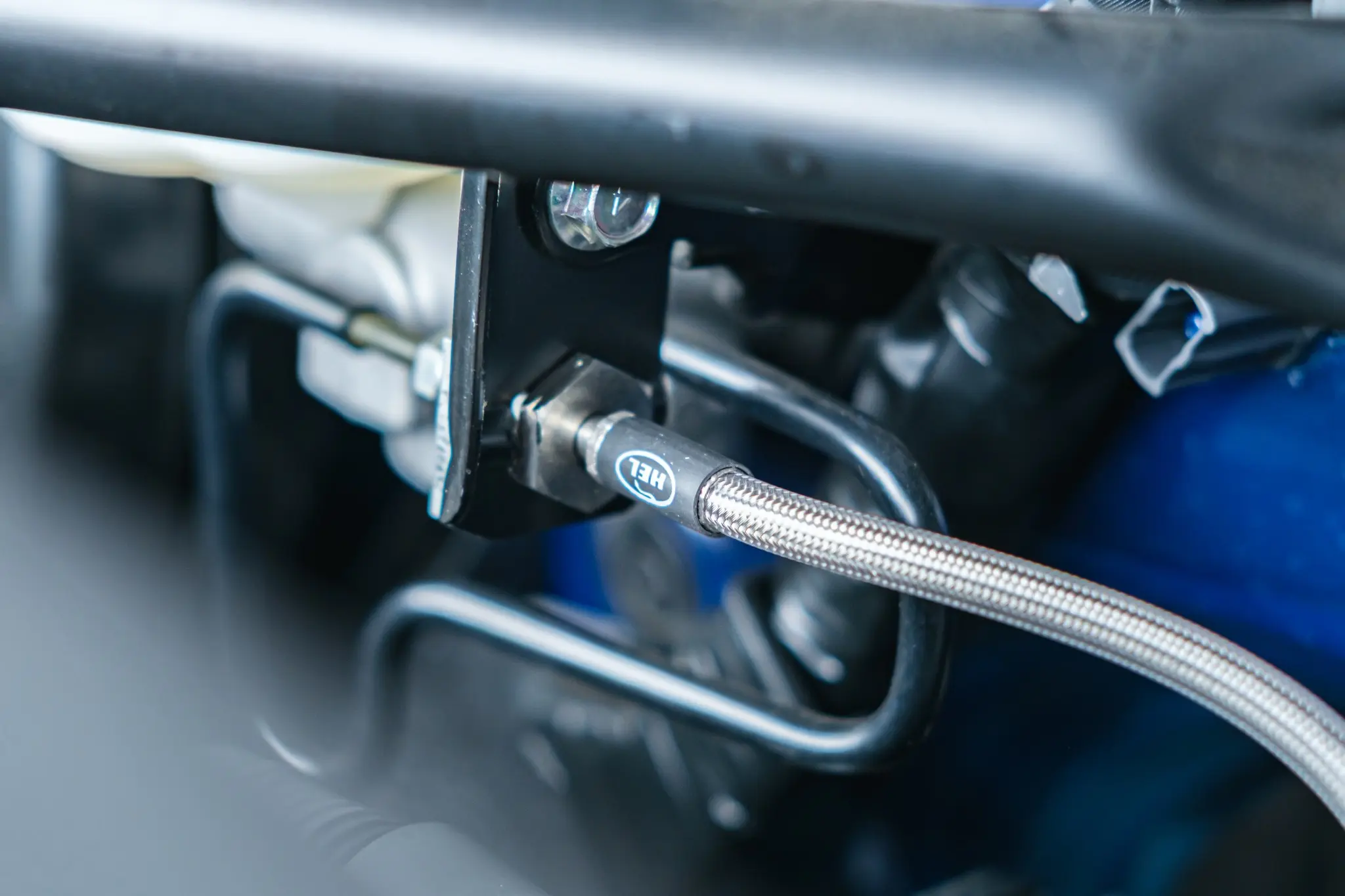
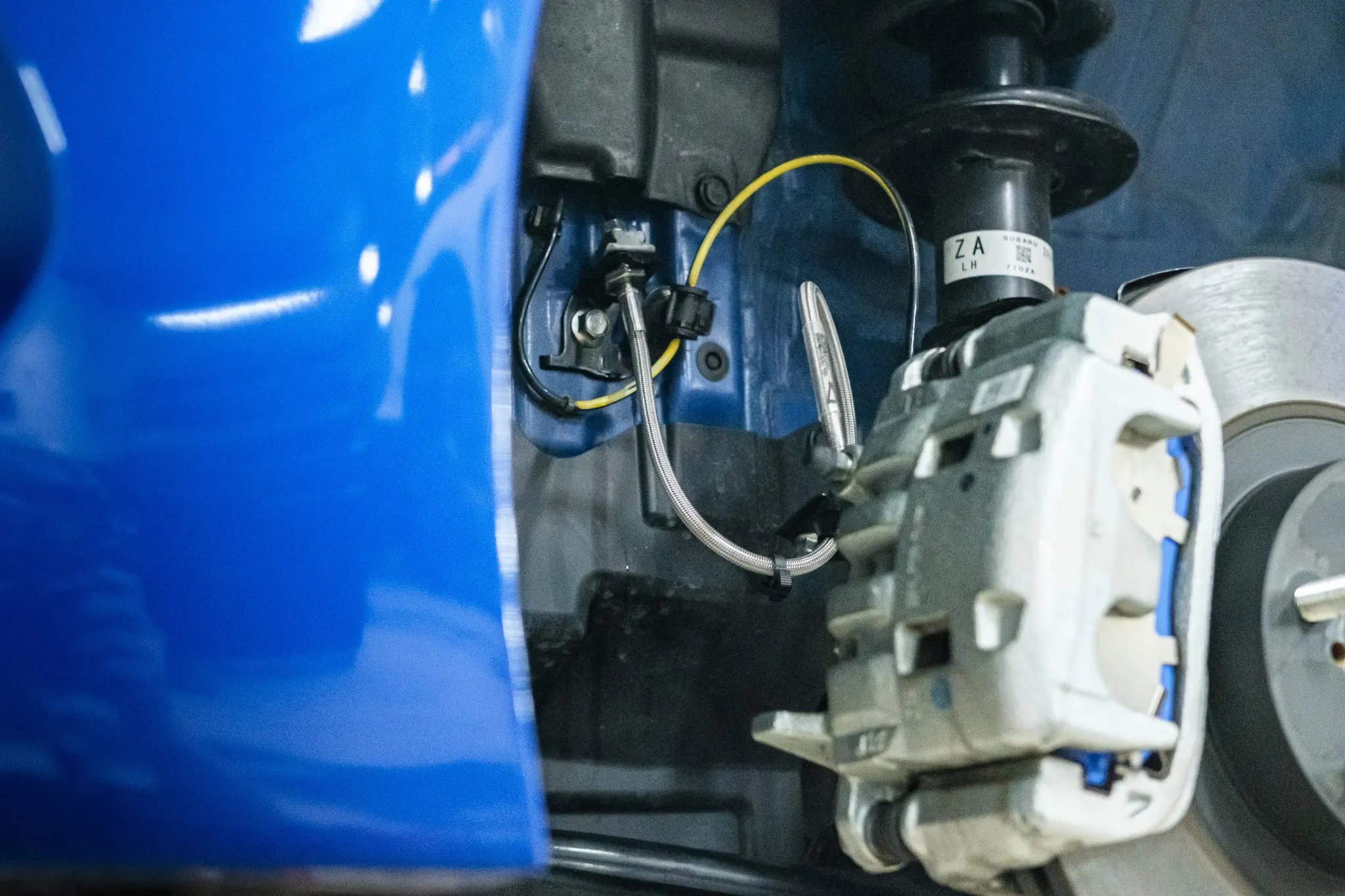
Upgrading the pads alone only solves half the problem. The factory rubber brake lines flex under pressure, absorbing pedal effort and adding a vague, spongy feel that gets worse as temperatures climb. HEL Performance braided stainless steel lines replace the factory rubber hoses with a PTFE-lined, braided assembly that doesn’t expand under pressure. You get a firmer, more direct pedal that responds immediately.
With the lines replaced, we did a full system bleed and flush with Endless RF650 brake fluid. Brake fluid is hygroscopic, so it absorbs moisture from the atmosphere over time. As water content increases, the boiling point drops. On track, fluid temperatures can easily exceed the boiling point of degraded or low-spec fluid, causing vapour bubbles in the lines and a pedal that goes straight to the floor. The RF650 has a dry boiling point of 316 degrees Celsius, giving plenty of margin for sustained hard use.
Tightening up the master cylinder
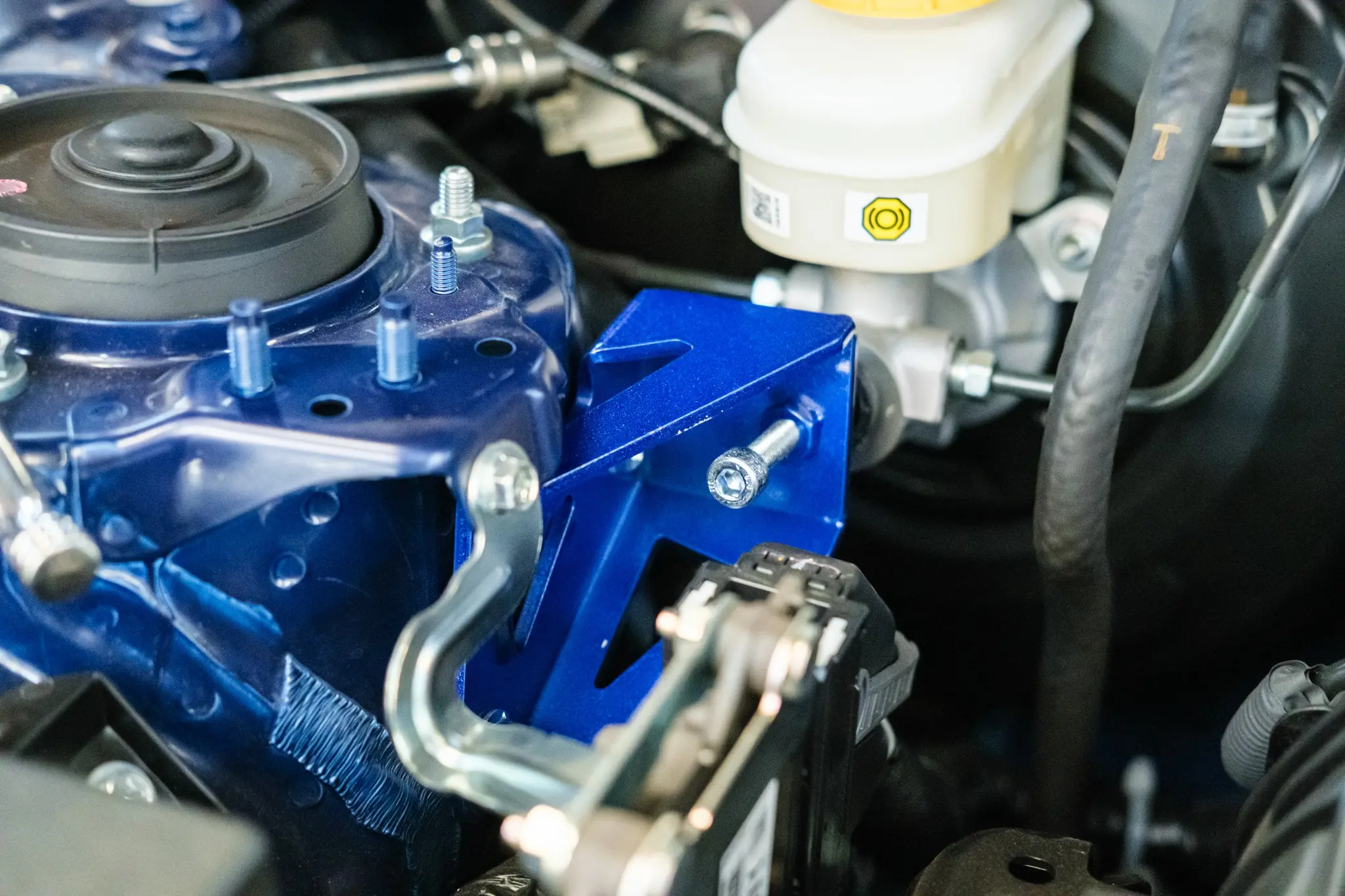
The last part of this package addresses a known weak point in the 86/BRZ brake system that most owners don’t know about. The factory brake master cylinder mounts to the firewall with some compliance in the mounting. Under hard pedal pressure, the master cylinder body actually rocks slightly on its mount, absorbing effort and adding dead travel at the top of the pedal stroke before hydraulic pressure starts building.
The Hardrace brake master cylinder stopper is a simple billet bracket that bolts to the firewall behind the brake booster and braces the master cylinder body so it can’t move under load. Small, inexpensive part, but the difference in pedal feel is immediately noticeable. The dead zone at the top of the pedal travel disappears. The brakes respond the instant you press the pedal. You’ll wonder why the factory didn’t do it this way.
Bedding in and final checks
After everything was fitted, the pads and rotors were bedded in following Endless’s recommended procedure. Proper bedding builds an even transfer layer of pad material onto the rotor face, which is what gives you consistent friction and prevents hot spots or uneven wear. Skip this step or do it wrong and you’ll get vibration and inconsistent braking on new pads.
The end result is a braking system that feels like it belongs on a car a class above the 86. Pedal feel is firm and immediate with strong initial bite. On track, the MX72 pads hold up through sustained sessions without the fade that makes factory pads a liability. The RF650 fluid keeps the pedal consistent even when everything is up to temperature. For an owner who wants to drive harder without going to a full big brake kit, this combination does the job well.