Most coilovers aren’t tested on roads like ours
The majority of aftermarket coilovers are developed in Japan, the US, or Europe and tested on smooth, well-maintained roads. They work fine in those conditions. But Australian roads are different. The surfaces are rougher, the patches are worse, and the variation from one stretch to the next is wild. A coilover that feels great on a Japanese test loop can feel overdamped and busy on a B-road through the Yarra Ranges.
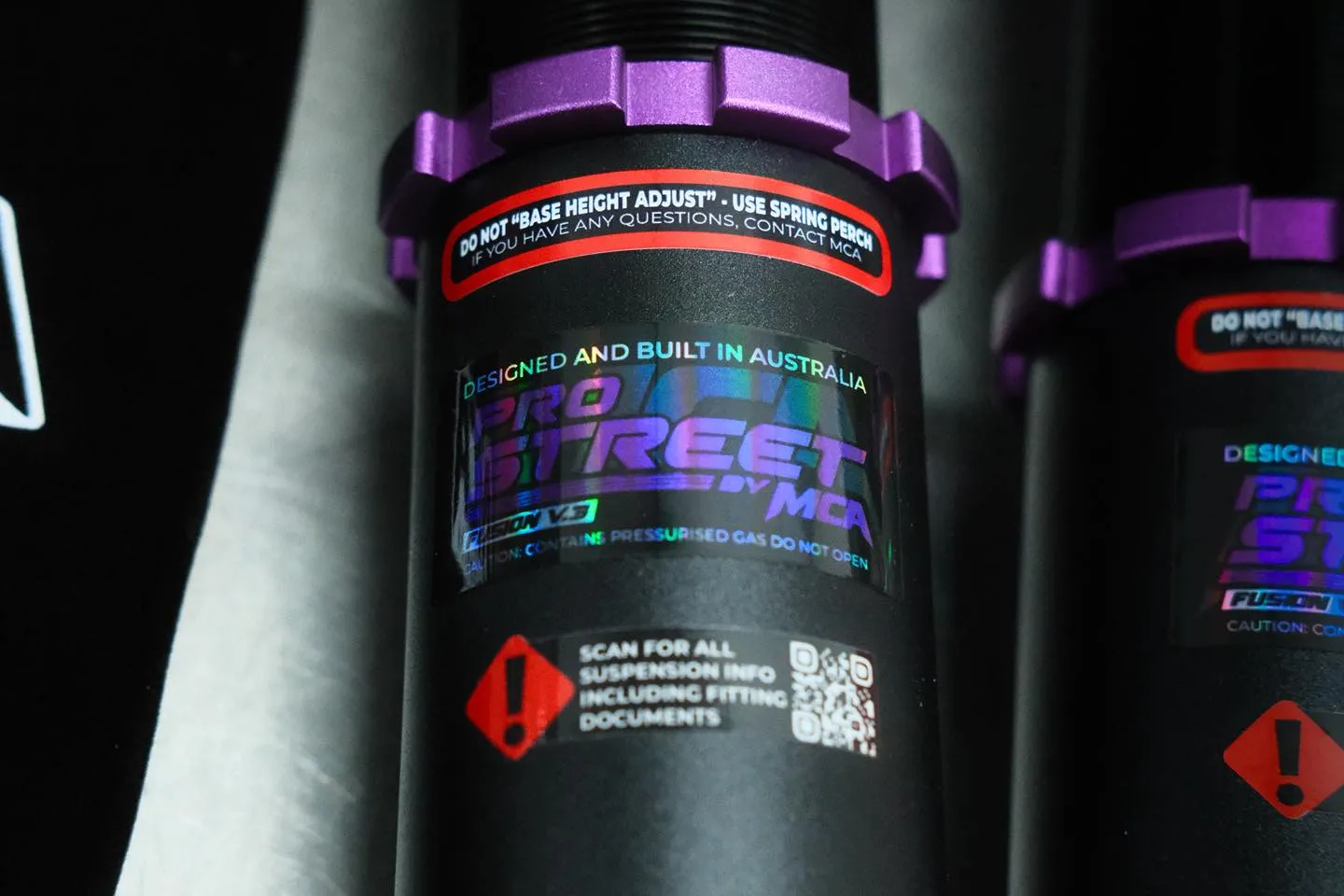
That’s why we went with MCA for this Z. MCA are based in Murwillumbah and everything they sell is designed, built, and tested locally. Their damper valving and spring rates are developed on the same kind of roads the owner actually drives on. And if his needs change later, whether that’s stiffer springs for track days or a revalve for a different tyre, MCA can turn that around quickly with advice specific to the platform and local conditions.
The Pro Street on the RZ34
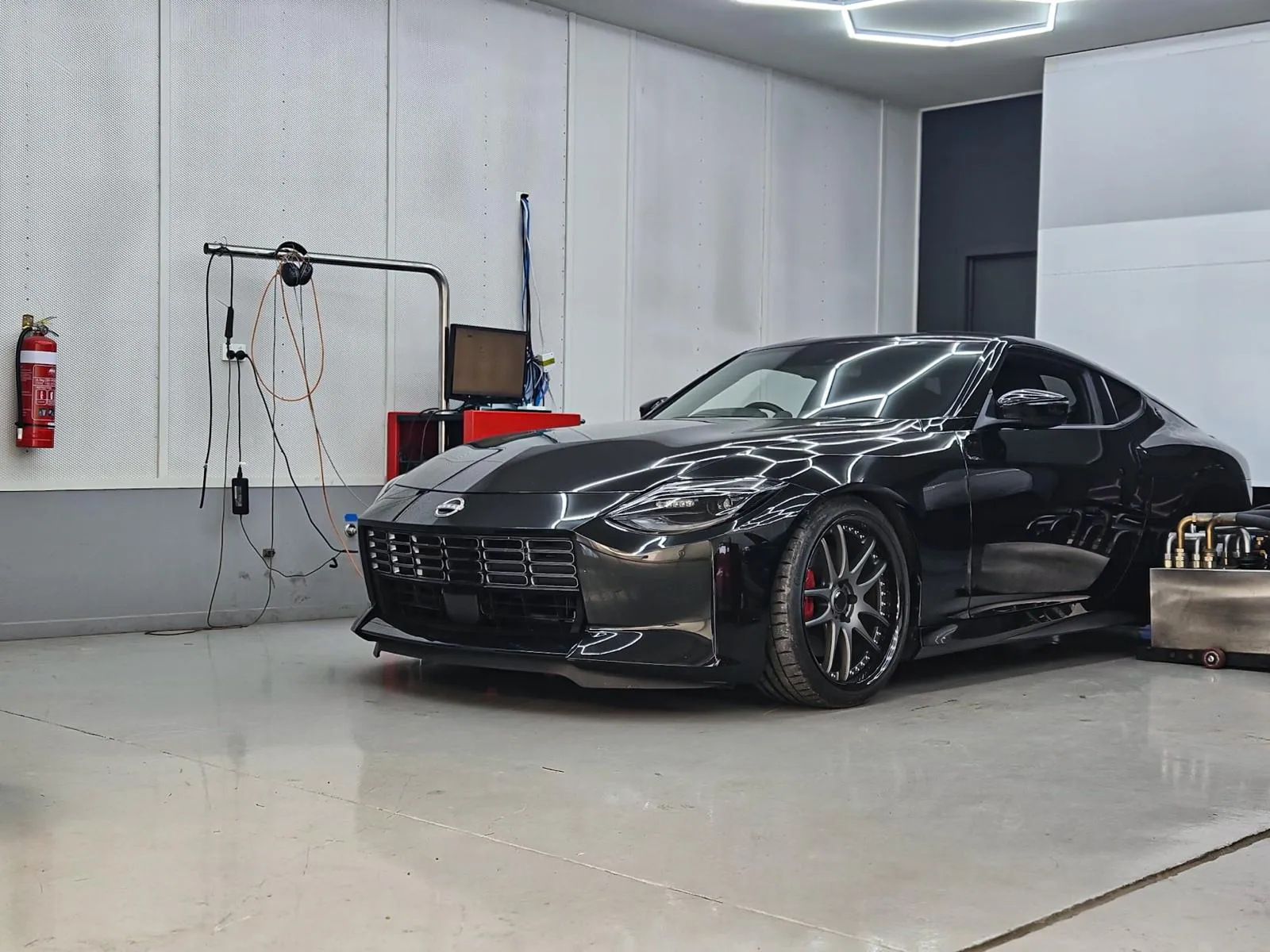
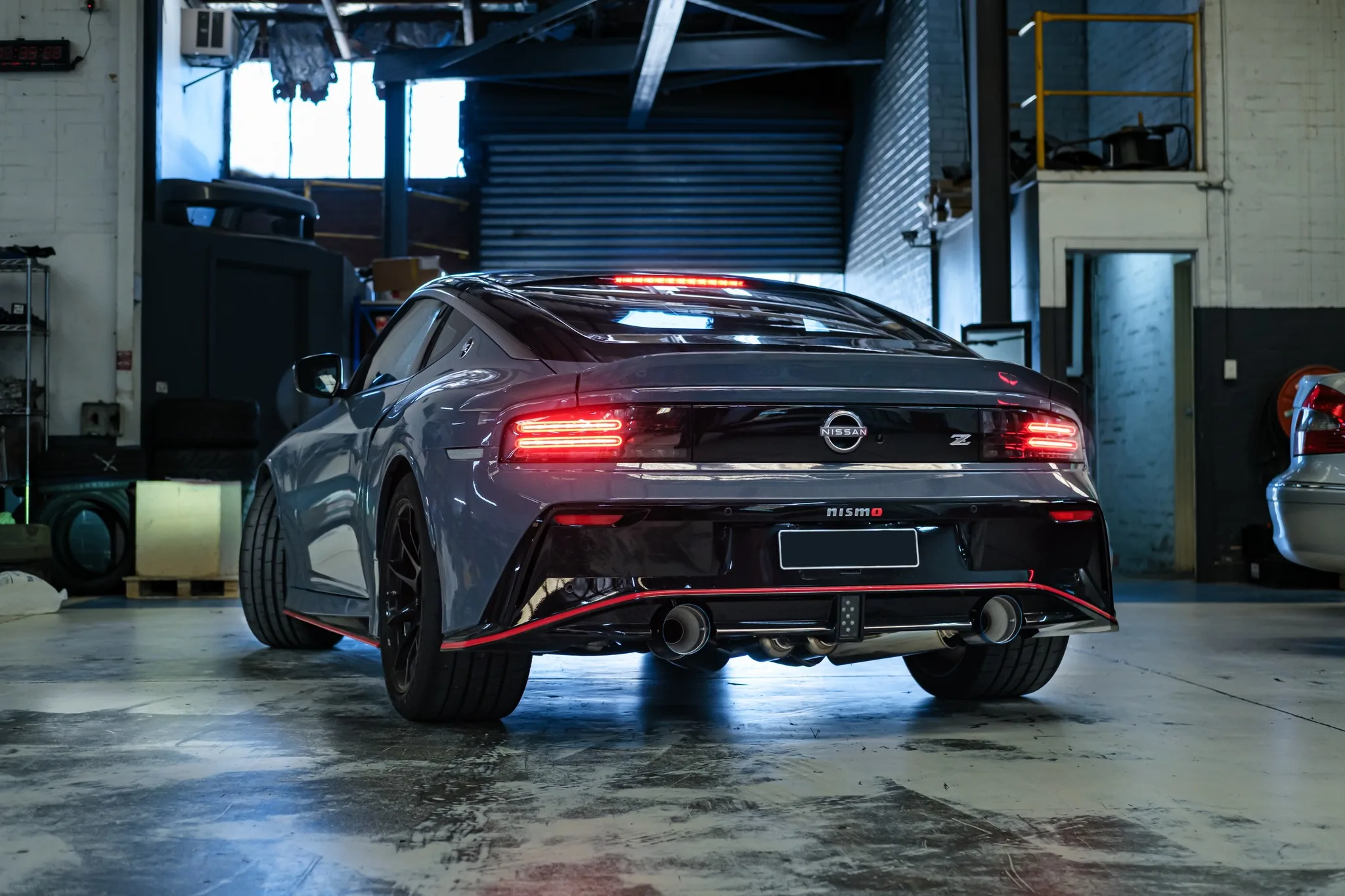
The Z is a good car from the factory. The VR30 makes strong power, the manual is excellent, the chassis is well sorted. The weak point is the dampers. Nissan tunes them soft to keep the broadest range of buyers happy, which means noticeable body roll, no damping adjustment, and a ride height that sits higher than it should for a sports car. The owner already knew this was holding the car back.
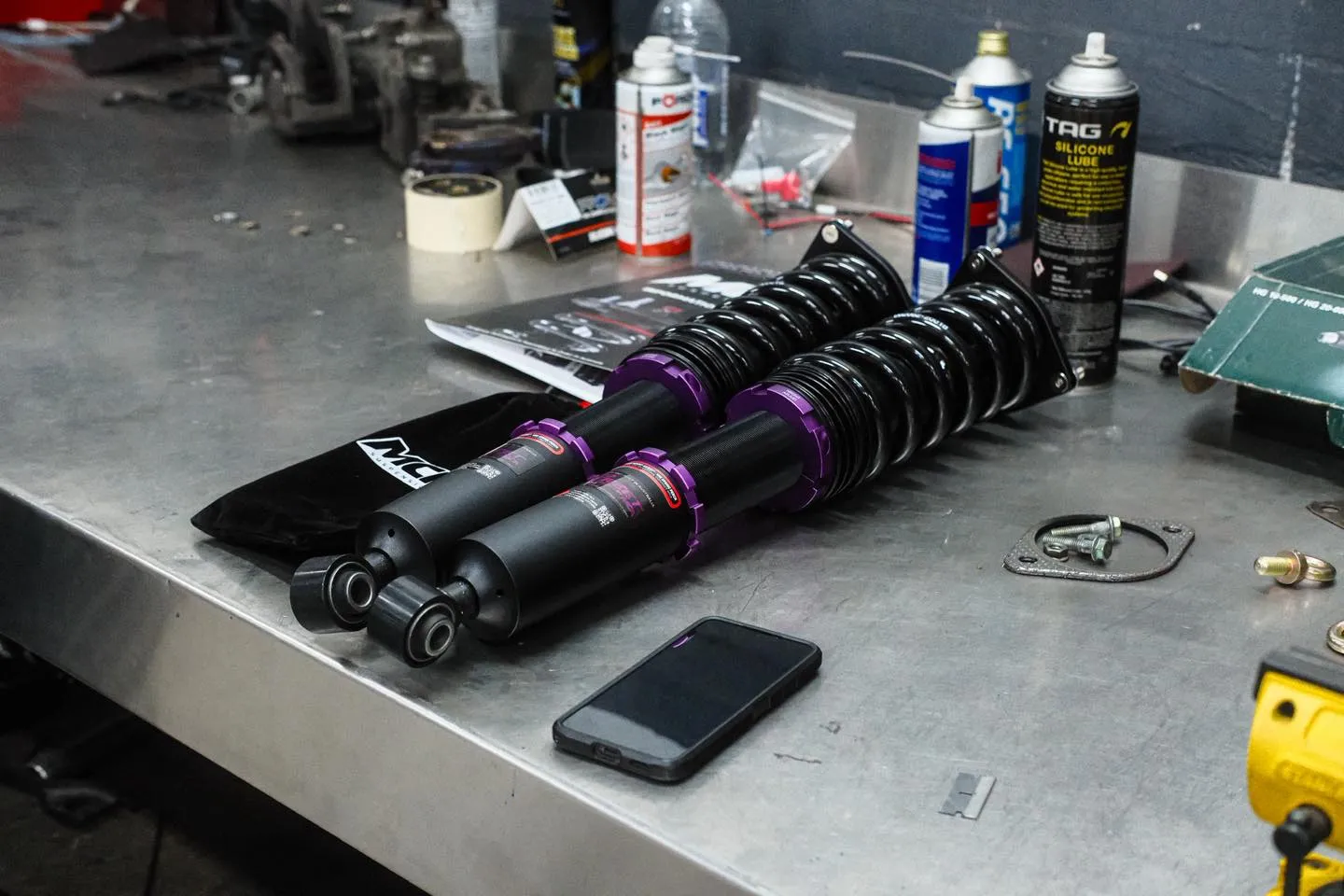
The MCA Pro Street has 30 clicks of damping adjustment and full ride height adjustment via a threaded body. At the soft end it rides well enough for the daily commute over Melbourne’s rough roads. Wound up firm it tightens the car noticeably for a weekend run through the hills. That range is the whole point. One set of coilovers that actually works for how the owner uses the car, not just one scenario.
The install
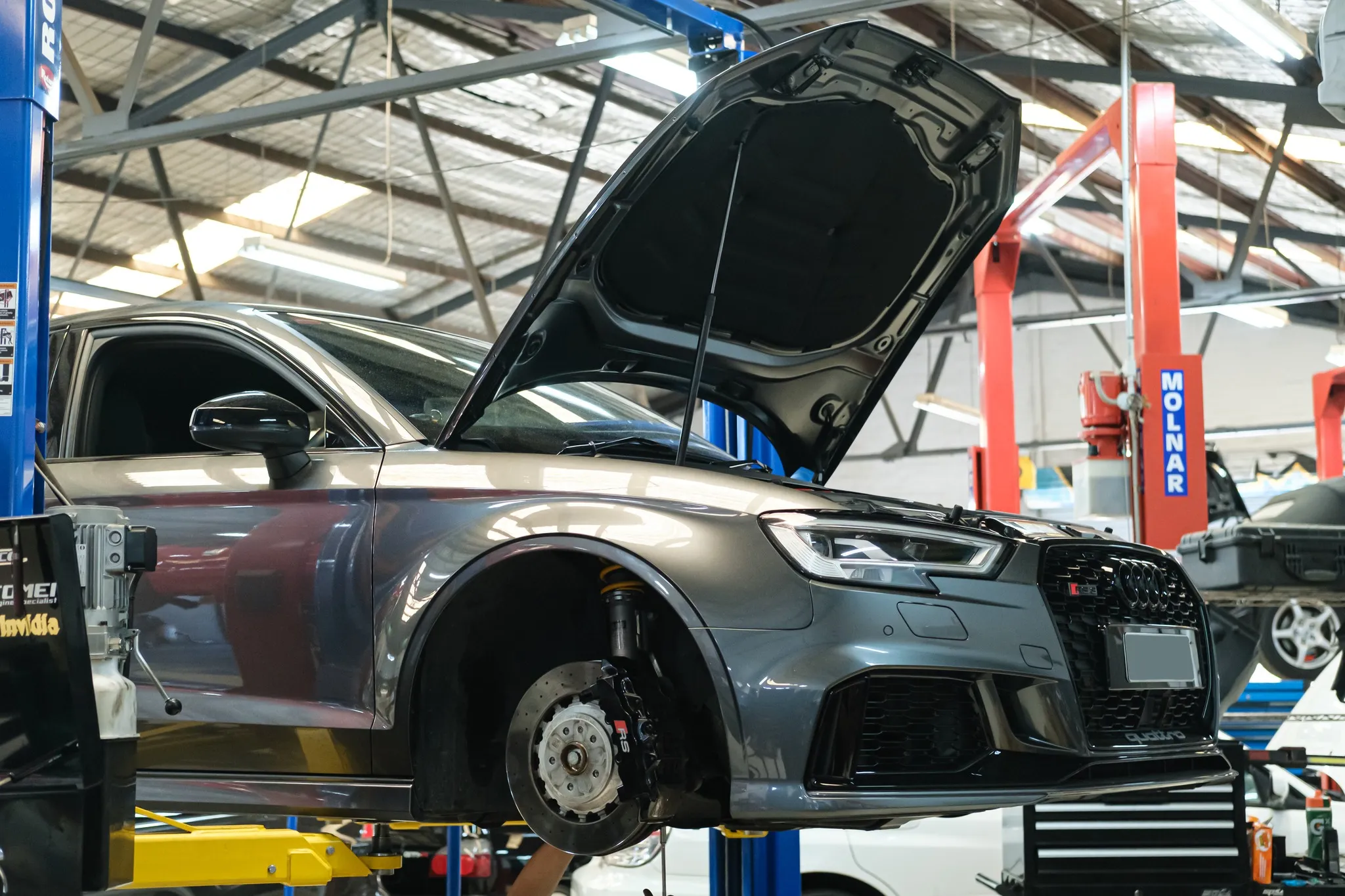
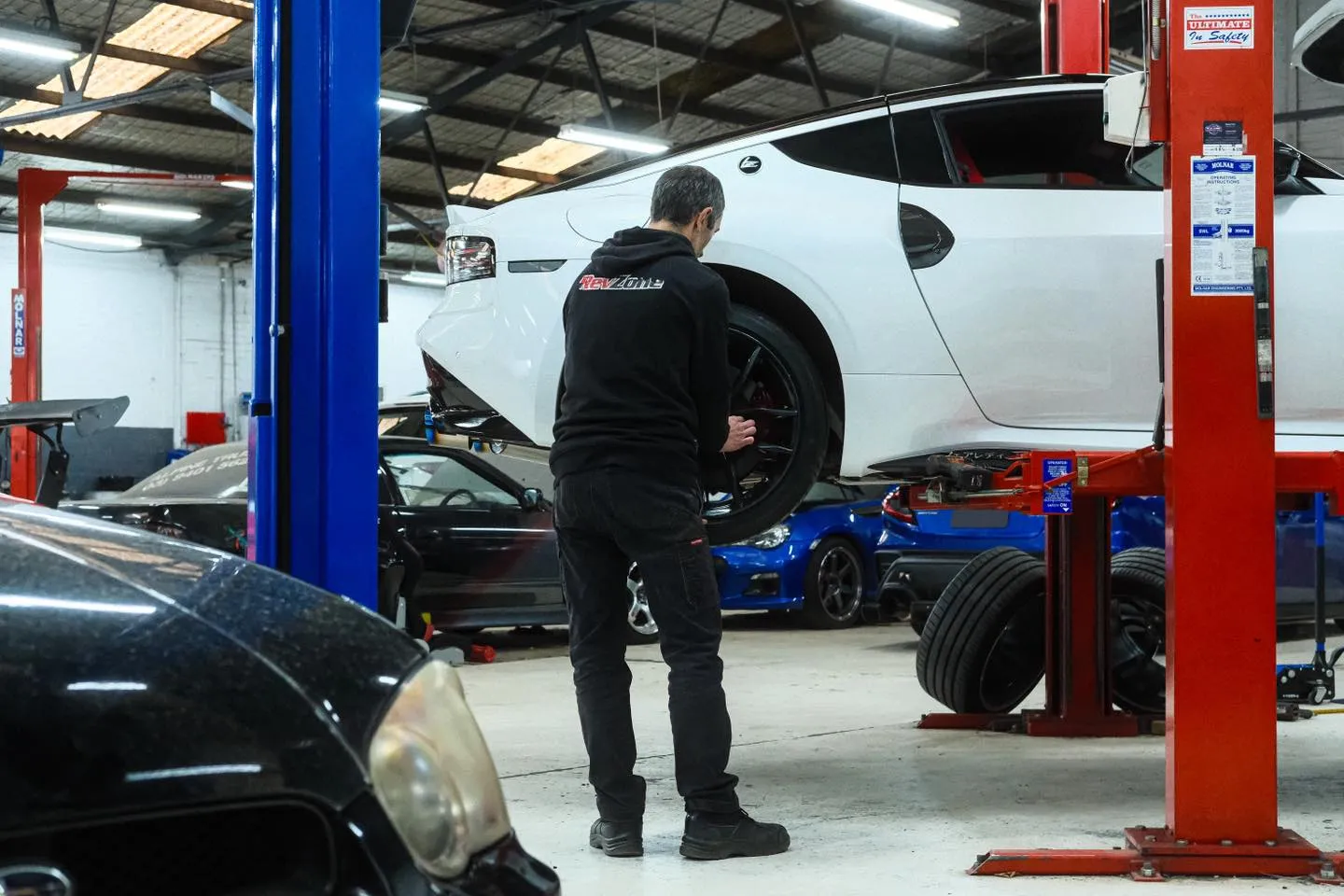
We assembled the coilovers on the bench to the correct ride height before fitting them. Getting the spring preload right at this stage saves a lot of time. The car comes off the hoist sitting where it should without having to raise and lower it repeatedly to check.
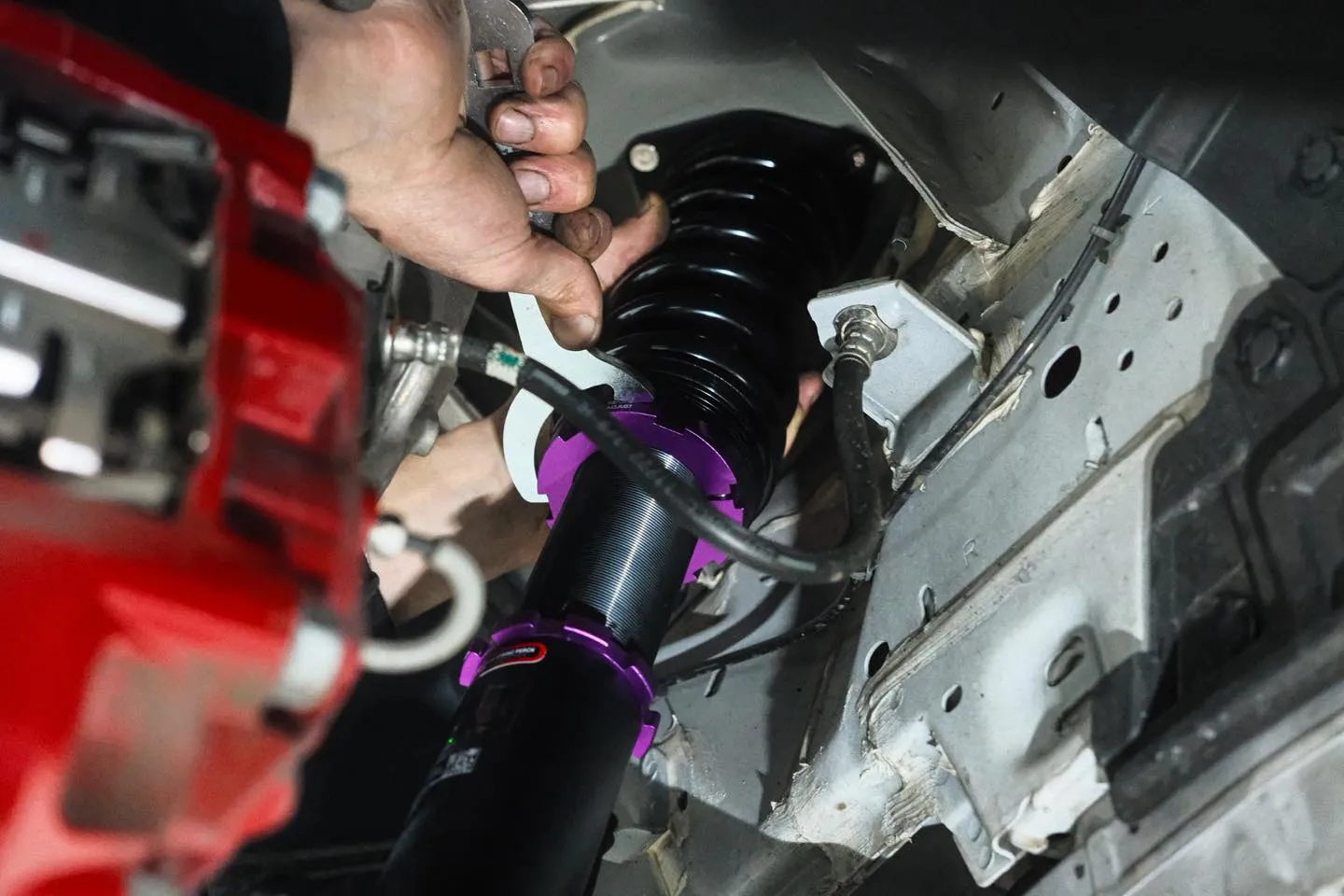
Factory struts and springs out at all four corners, MCA units in. Damping set to a baseline slightly firmer than mid-range. Connected and responsive without being punishing.
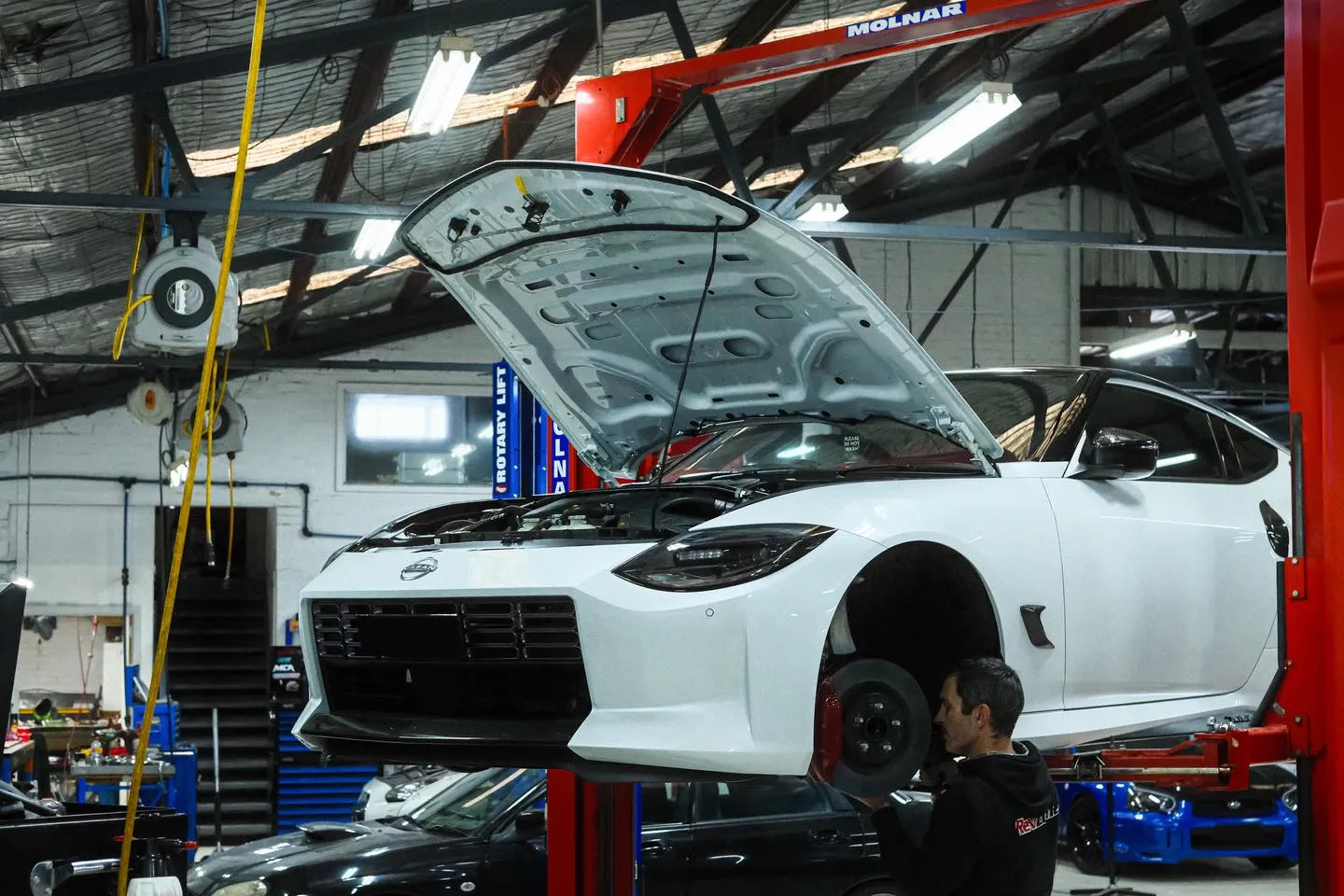
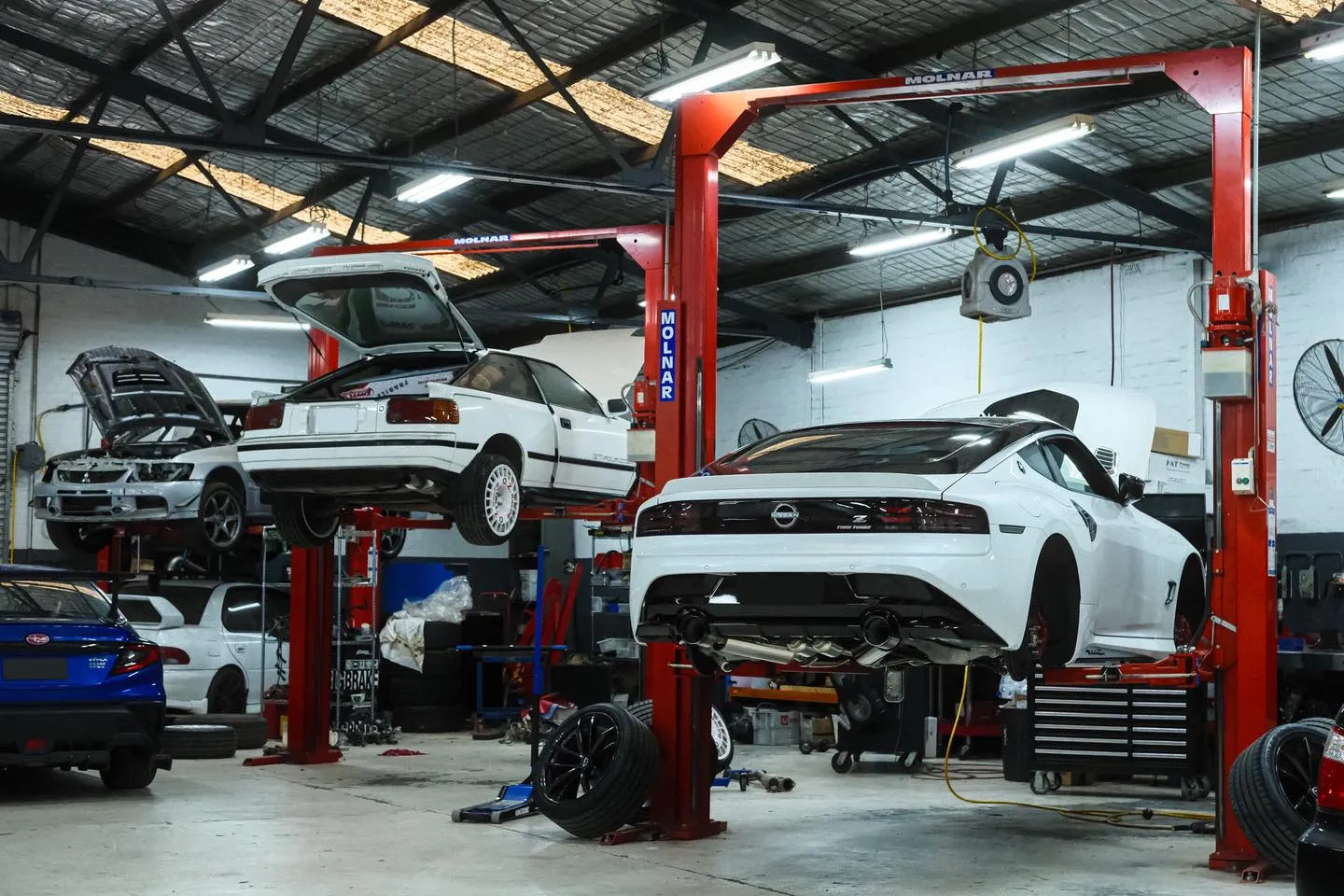
Then a full four-wheel alignment to match the new geometry. Lowering a car changes camber, toe, and caster. Skip the alignment and you’ll chew tyres and the handling won’t be what it should be. We added a touch of front negative camber for sharper turn-in on the spirited drives, conservative enough that tyre wear stays even during the week.
The difference
Turn-in is sharper. The car stays flat through direction changes instead of rolling onto the outside tyres. Under brakes the nose stays down and the car feels balanced, so you can brake later and carry more speed in. The rear is more planted on exit.
On the softer damping clicks it still rides well enough for the daily. The owner can adjust it in seconds depending on what he’s doing that day. That’s the bit that matters most with this setup. It’s not a track coilover he’s tolerating on the street. It’s a coilover that works properly in both situations because it was developed for roads like the ones he actually drives on.